← All examplesDemonstration. Travel planner — a made-up business, not a customer.
Build yoursWhat was typed in
“Long Way Round. I plan trips for people who hate package holidays — slow routes, trains where possible, small places to stay I've actually been to. Mostly Europe and Japan. It's a planning fee, not a booking site. Build me something.”
Everything below — the palette, the typefaces, the section order — came from that paragraph.
The long way round is the point
Long Way Round plans trips for people who can't face another package holiday. I build slow routes, take the train wherever a train exists, and only put you in small places I've actually stayed in myself. I work mostly across Europe and Japan. This isn't a booking site — you pay a planning fee for the plan, and the trip stays yours.
Not a package holiday
Package holidays are built to be sold in volume, which is why they all feel the same: the fast route, the big hotel, three countries in six days. I work the other way round. I start from how much time you actually have, subtract the rushing, and build a route you can enjoy at walking speed. Fewer places, longer in each, and the journey between them treated as part of the trip rather than dead time.
Fewer places. Longer in each.
Where I plan
Mostly Europe and Japan. Europe because the rail network makes slow travel genuinely easy — you can cross the continent without ever needing an airport. Japan because it rewards the same approach more than almost anywhere else: the trains are extraordinary, and the small places outside the obvious cities are where the trip actually happens. Working in two regions rather than all of them is deliberate. It's the only way the recommendations stay first-hand.
What I plan
Trip planning across Europe and Japan, sold as a plan rather than a booking.
- Slow rail routes across Europe
- Japan itineraries, city and countryside
- Small, independent places to stay that I've been to
- Route and pacing design — how far to go, and how long to stop
- Overland connections instead of short-haul flights
- Standalone planning on a flat fee, with no bookings made for you
How the trips are built
Three things shape every route I put together.
Trains wherever there's a train
If the journey can be made overland, that's how I'll plan it. Rail turns the boring middle of a trip into something you'd remember — and it puts you in the centre of the next place rather than an hour outside it. Flights only go in when there's genuinely no sensible alternative.
Places I've actually stayed in
Every place to stay I recommend is somewhere I've been myself. That means small and independent rather than large and reliable, and it means I can tell you what the room is really like, how far the walk from the station is, and whether it's worth the extra night.
A pace you can live at
Most itineraries fail because they're too full. I plan in stopping time — slow mornings, days with nothing scheduled, and enough room that a delayed train doesn't collapse the rest of the week. You'll cover less ground and see more of it.
Questions worth asking first
How this works, and what you get for the fee.
Do you book the trip for me?
No. Long Way Round isn't a booking site. You pay a planning fee for the plan itself, and you make the reservations — so every train, room and booking sits in your own name, with you dealing directly with the people providing it.
Why a planning fee instead of commission?
Because commission decides the itinerary. When the money comes from whoever's being booked, the route quietly bends towards whoever pays best. A flat planning fee means the only thing shaping your trip is what I think makes the better trip.
Where do you plan trips?
Mostly Europe and Japan. Those are the places I know at first hand, and I'd rather stay inside that than guess at somewhere I haven't been.
Do I have to travel entirely by train?
No, but expect the plan to lean that way. Where a train exists and the timings work, that's what I'll route you on. Where it genuinely doesn't, I'll plan around it.
Is this only for long trips?
No. Slow travel is about pace rather than length — a week planned properly beats a fortnight spent in transit. Tell me how much time you've got and I'll build a route that fits it without rushing.
Tell me where you've been meaning to go
Send me the rough shape of it — the region, the time of year, and how long you've got. I'll tell you honestly whether it's a trip I can plan well.
Our work
Scroll sideways to see more.
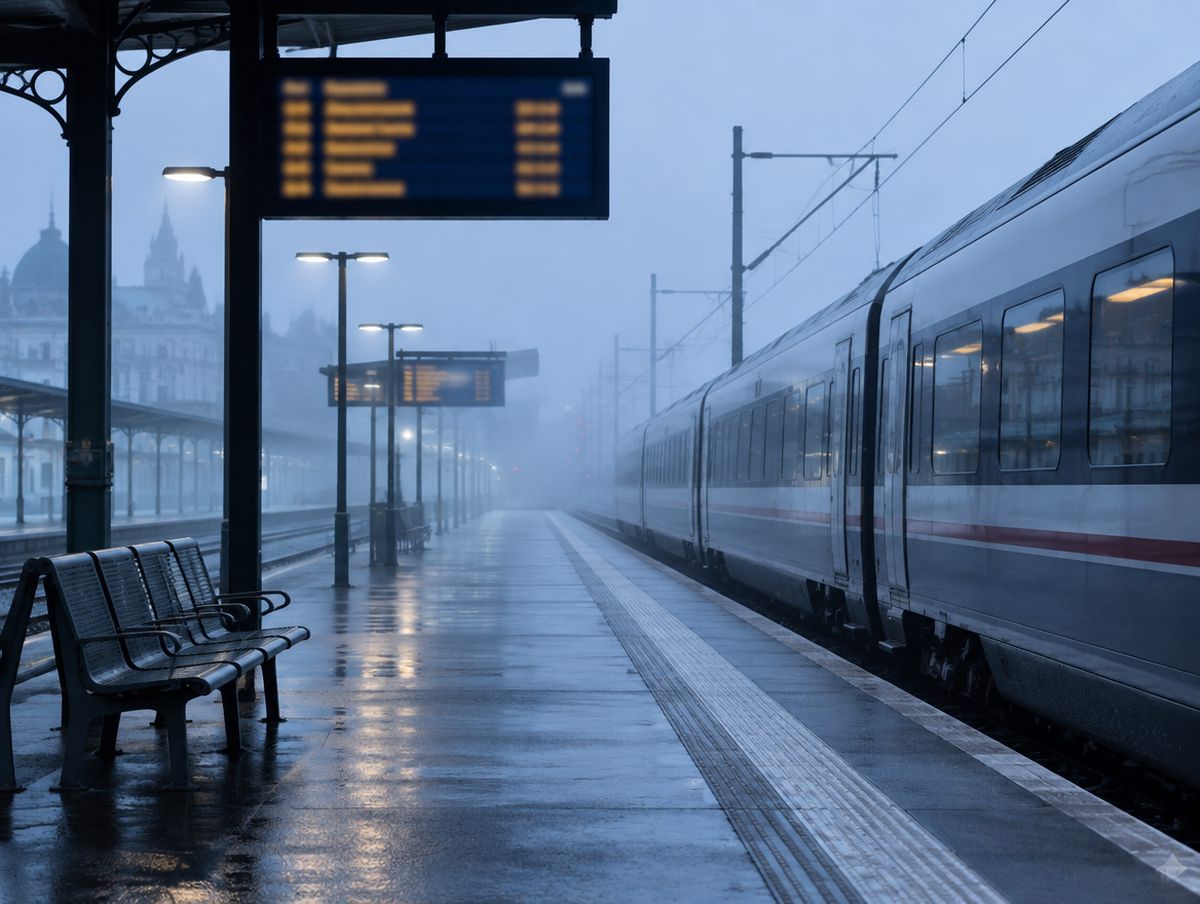
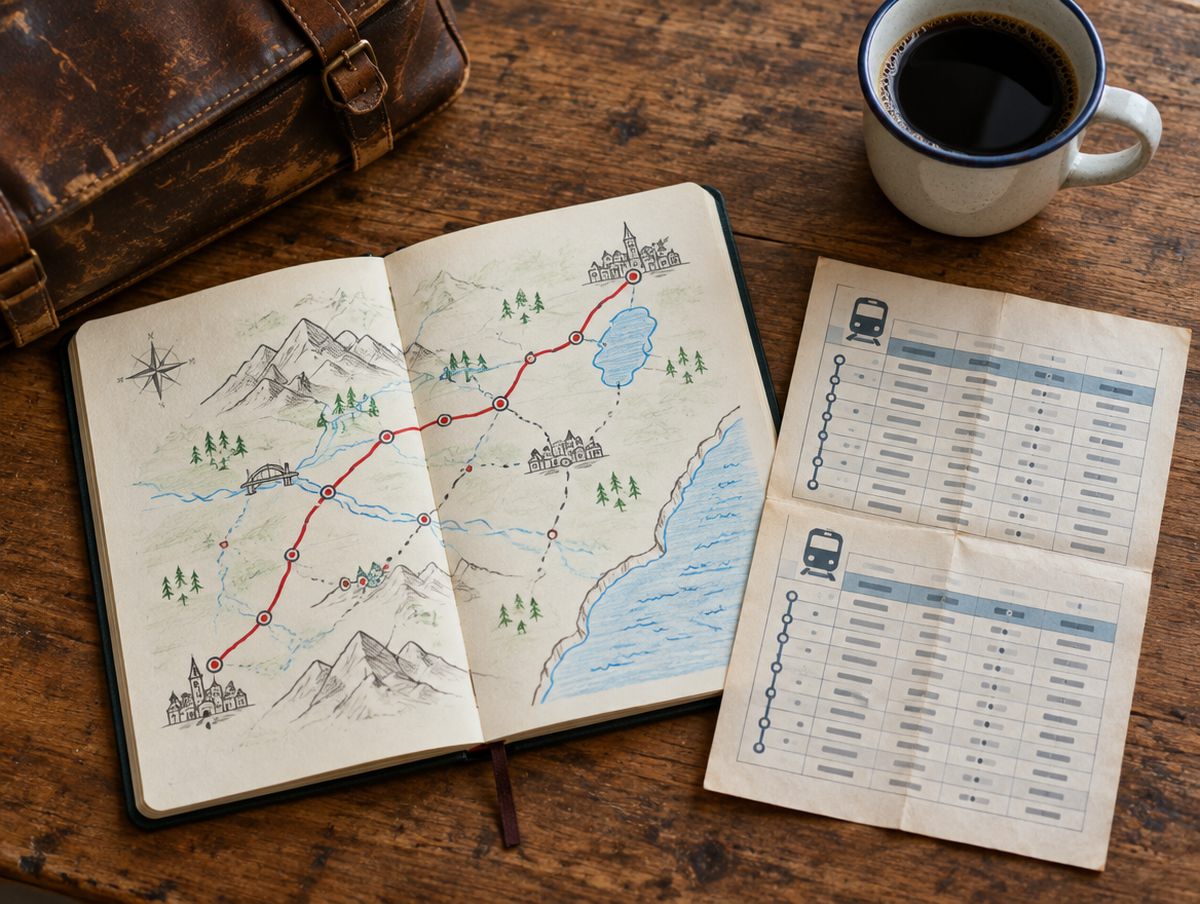
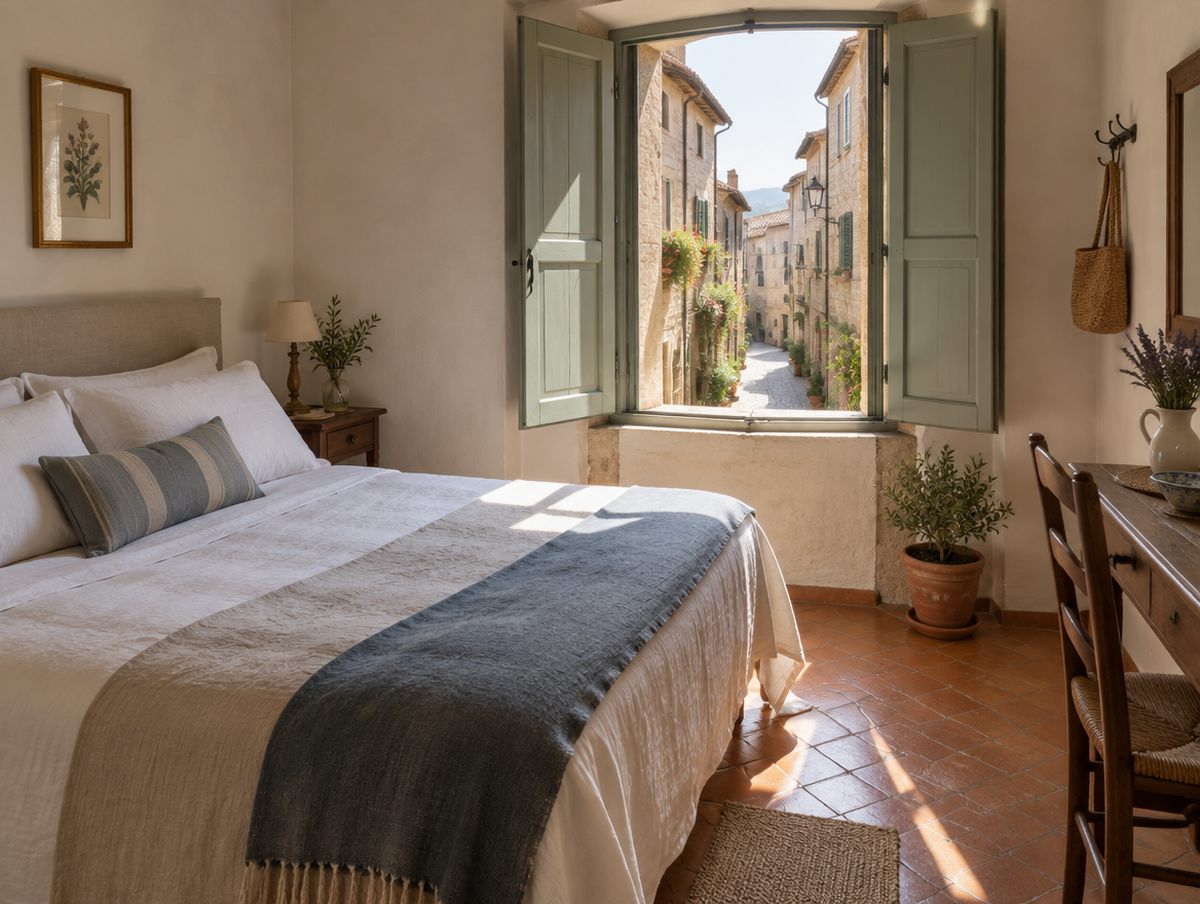
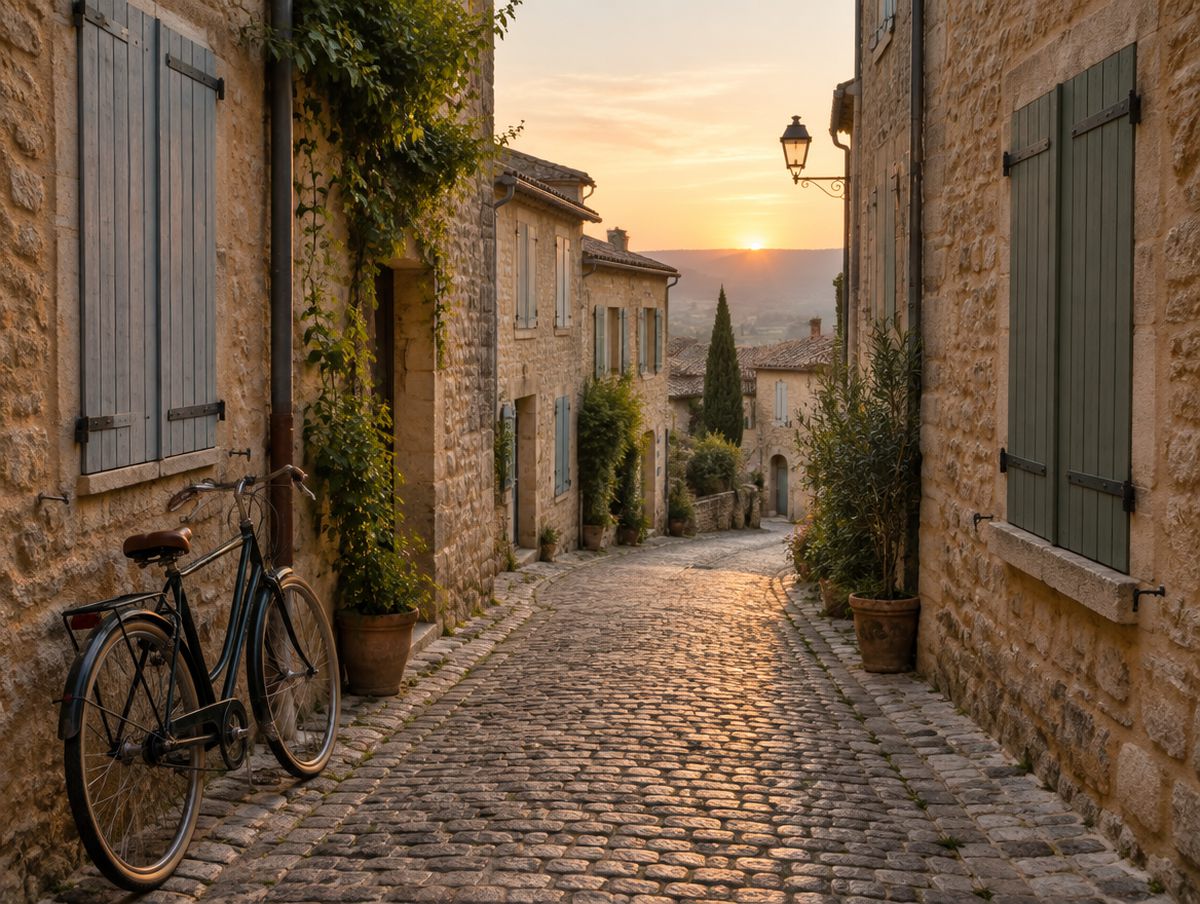
That was built from one paragraph.
Every travel planner is different, so yours would not look like this one — it would come from what you type about your own business.
What you are not seeing: a real published site also carries the owner’s phone number as a tap-to-call link, their email and address, and a live enquiry form wired to their dashboard. None of those appear above, because they are real contact details and this business does not exist. We won’t invent a phone number to make a demo look better. The photographs are ours, not the engine’s. They sit where an owner’s uploads sit and are passed to the page the same way, so you can see what this becomes once somebody adds their own. The engine chose the layout, the palette, the typefaces and the order of the page. It never chooses a picture, because it has no way of knowing what your work looks like.